






Biomedical Engineering
Past ook bij
Biomedical Engineering
As medical science has advanced, physicians and patients have relied on increasingly sophisticated medical devices for diagnosis, treatment, and long-term health care.
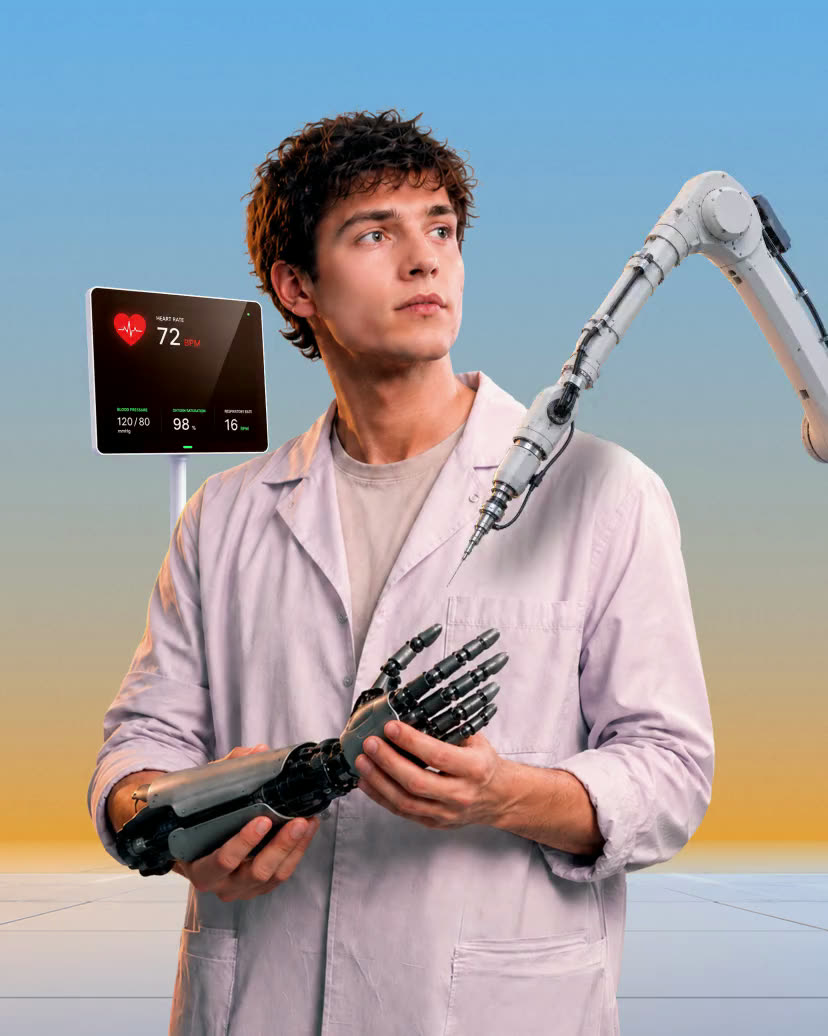
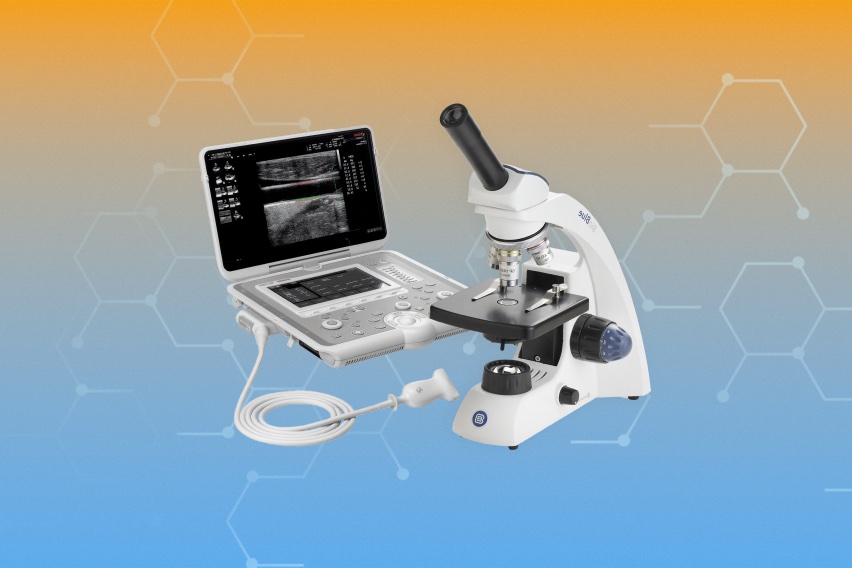
BioMedical engineers are key players in the development, design, and continuing refinement of devices such as joint replacement prostheses, microsensors, imaging and image processing, as well as advanced instruments for use in such domains as minimally invasive surgery and the diagnosis of movement disorders.
The TU Delft master's programme in BioMedical Engineering is a multidisciplinary programme which aims to provide you with both an understanding of biology and medical theory as well as highly specialised technical training in such fields as electrical, physics, material and mechanical engineering.
You will learn how to develop conceptual models from a technical perspective and you will work in close collaboration with physicians, researchers and other healthcare professionals, including on-site at the collaborating academic institutions.
The two-year MSc programme in Biomedical Engineering at TU Delft is based on a long history of education and research in three collaborating faculties.
-
The MSc programme in BioMedical Engineering is a two-year programme and is taught in English.
The programme consists of three tracks:
- Track I: Neuromusculoskeletal Biomechanics
- Track II: Medical Devices
- Track III: Medical Physics
More info: https://www.tudelft.nl/onderwijs/opleidingen/masters/bme/msc-biomedical-engineering/msc-programme/programme-in-detail/
-
As academically trained professionals, biomedical engineers should understand and deploy soundly designed experiments, use proper statistics and implement good practice in data acquisition, archiving and interpretation as well as patient safety. They also need to possess at least a basic understanding of the main principles of evidence-based medicine. The combination of all of the above-mentioned qualities enables biomedical engineers to impact healthcare quality through development and clinical translation of novel medical technologies.
-
Career opportunities for biomedical engineers are excellent. To develop the innovative technologies that drive the biomedical industry, requires personnel with the unique combination of skills, knowledge and experience in biology, medicine and engineering offered by graduates of the MSc Programme in Biomedical Engineering.
Graduates find employment in hospitals; private firms producing equipment, medical devices and instruments; and in research institutions.
Goed om te weten
De 7 werelden helpen je ontdekken waar jouw interesses liggen. Veel opleidingen passen bij meerdere werelden. Daarom tonen we per opleiding de meest passende werelden.
Studie in cijfers
-
Baankans
71%
-
Studententevredenheid
3.9/5
-
Het gemiddelde startsalaris per uur
€20
-
De metalektro is een grote en belangrijke sector binnen de Nederlandse industrie. Deze cijfers geven inzicht in dit beroep.